

Diagnostic Imaging Devices Market to Reach US$46.9Bn by 2033 at 4.6% CAGR | Persistence Market Resaerch
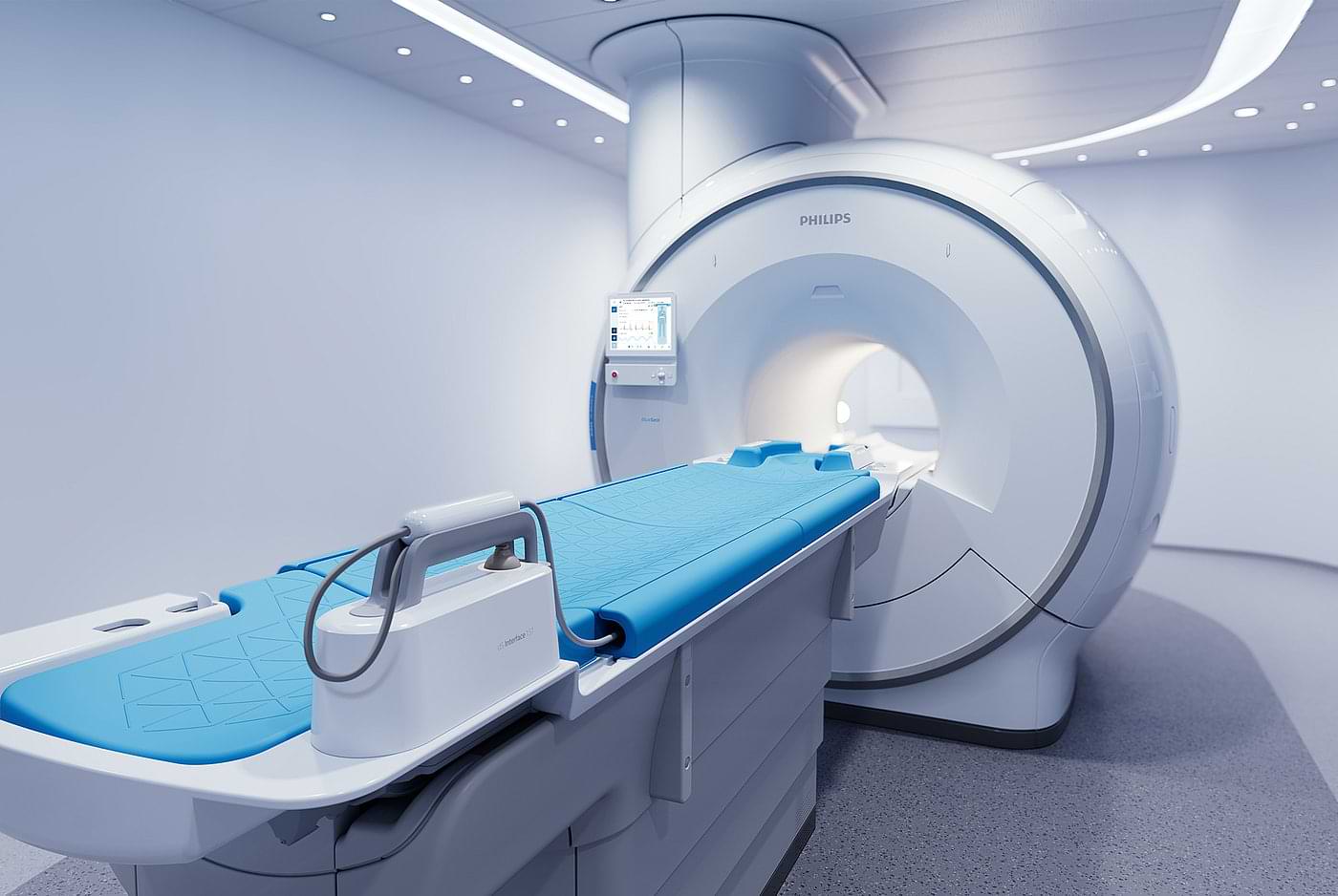
diagnostic imaging devices market
The diagnostic imaging devices market is growing, driven by technological advancements, increased healthcare demand, and the need for early disease detection.
LONDON, UNITED KINGDOM, February 18, 2026 /EINPresswire.com/ -- The global diagnostic imaging devices market is expected to be valued at USD 34.3 billion in 2026 and is projected to reach USD 46.9 billion by 2033, growing at a CAGR of 4.6% between 2026 and 2033. Diagnostic imaging devices, which include X-ray, ultrasound, CT, MRI, and nuclear imaging systems, are pivotal in modern healthcare by facilitating early and accurate disease detection and aiding in treatment decisions. These devices are widely used in hospitals, diagnostic centers, and outpatient clinics.
Download Your Free Sample & Explore Key Insights: https://www.persistencemarketresearch.com/samples/2822
Key Market Trends
Key trends in the diagnostic imaging devices market include the growing adoption of advanced imaging technologies and digital solutions. Artificial Intelligence (AI)-enabled imaging is improving diagnostic accuracy and workflow efficiency. Additionally, portable and point-of-care imaging systems are increasing access in emergency and remote settings. The demand for CT and MRI continues to rise due to higher imaging volumes, while ultrasound is the fastest-growing imaging modality, owing to its affordability, safety, and versatility. Emerging economies are contributing to the market’s expansion through enhanced healthcare infrastructure.
Key Industry Highlights
Leading Region: North America holds the largest market share, primarily driven by its advanced healthcare infrastructure, high imaging procedure volumes, and strong adoption of CT and MRI systems.
Fastest-Growing Region: The Asia Pacific region is the fastest-growing due to expanding healthcare infrastructure, large patient populations, and rising demand for affordable diagnostic services.
Dominant Segment: X-ray systems continue to dominate the market, thanks to their widespread availability, cost-effectiveness, and routine use in hospitals and diagnostic centers.
Market Expansion: China, India, and Southeast Asia are expected to drive substantial market growth, fueled by increased hospital construction, diagnostic chain expansions, and a growing focus on early disease detection.
Technological Advancements
Technological innovations are transforming diagnostic imaging devices, enabling more efficient and cost-effective diagnostics. MRI advancements aim to improve image resolution and reduce scanning times, with high-field MRI scanners like 7T MRI offering ultra-high-resolution images for detecting small lesions and neurological disorders. Similarly, CT technology is evolving to reduce radiation exposure while enhancing image quality and scan speed. New dual-energy CT scanners allow swift, detailed imaging with reduced radiation doses, making them particularly useful in pediatric care.
Diversification of Imaging Applications
Diagnostic imaging devices are increasingly used across a broad spectrum of medical conditions and specialties. As the global incidence of cancer rises, the demand for advanced imaging technologies to detect, diagnose, and monitor cancer is expanding. Imaging methods such as MRI, PET-CT, and mammography are essential for early cancer detection and treatment monitoring. Likewise, cardiovascular imaging advancements, including CT Angiography, are helping diagnose and manage heart diseases. Imaging devices are also seeing increased use in dental and veterinary imaging, with technologies like 3D imaging and cone beam CT (CBCT) playing an important role in these areas.
Get Custom Insights Designed for Your Business: https://www.persistencemarketresearch.com/request-customization/2822
Challenges in the Market
A significant challenge in the diagnostic imaging devices market is the shortage of skilled professionals, particularly radiologists and imaging technicians. This shortage limits the use of advanced technologies, leading to delays in diagnosis and treatment. According to a 2023 survey by the Royal College of Radiologists, a 34% shortfall of radiologists exists in the U.K. alone, which affects patient outcomes. Similarly, imaging technicians in high-income countries like the U.S. are facing high turnover rates, adding further pressure to an already overburdened workforce.
Opportunities in IT Integration
The integration of diagnostic imaging devices with IT solutions is a key trend that is transforming the healthcare sector. Solutions such as Picture Archiving and Communication Systems (PACS) and the integration with Electronic Health Records (EHRs) are improving workflow, diagnostic accuracy, and data management. This integration enables real-time sharing of imaging results, improving efficiency and supporting value-based care models.
Sustainability in Diagnostic Imaging
With growing concerns about environmental impact, healthcare systems are focusing on sustainability. Companies are developing energy-efficient imaging devices that reduce power consumption and minimize environmental footprints. For instance, GE Healthcare introduced an MRI scanner that reduces energy use by 40%, while Siemens Healthineers aims for 70% recyclability in its devices.
Product and End-User Insights
Diagnostic imaging devices are categorized into X-ray systems, ultrasound systems, CT scanners, MRI systems, nuclear imaging systems, and other emerging modalities. X-ray systems remain the market leader due to their cost-effectiveness and routine use. Ultrasound systems are growing rapidly due to their non-ionizing nature and use in point-of-care and obstetric applications.
Regional Insights
North America leads the market, with the U.S. seeing high imaging procedure volumes and early adoption of technologies. Asia Pacific is the fastest-growing region, driven by improvements in healthcare infrastructure, large populations, and rising demand for diagnostic services. Governments in countries like China and India are making significant investments in healthcare, facilitating the adoption of diagnostic imaging devices.
Checkout Now & Download Complete Market Report: https://www.persistencemarketresearch.com/checkout/2822
Competitive Landscape
Leading companies in the diagnostic imaging devices market include General Electric Company, Philips N.V., Siemens Healthcare, Canon Medical Systems, and Samsung Medison.
Market Segmentation
By Product Type
X-ray Equipment
Ultrasound Imaging Systems
Nuclear Imaging Systems
Magnetic Resonance Imaging (MRI)
Computed Tomography (CT) Scanners
Others
By Application
Gynecology
Oncology
Orthopedics
Cardiology
Gastroenterology
Neurology
Other
By End-user
Hospitals and clinics
Diagnostic centers
Research institutes
Others
By Region
North America
Europe
East Asia
South Asia and Oceania
Latin America
Middle East and Africa
Read Related Reports:
Molecular Grade Plates Market: Molecular-grade plates market grows from US$310.2 million in 2025 to US$408.2 million by 2032, supported by rising lab workflows and a steady 4% CAGR.
Oncology Drugs Market: The oncology drugs market will grow from US$217.3Bn in 2025 to US$324.6Bn by 2032, driven by rising cancer cases and advances in precision & biologic therapies
Persistence Market Research
Persistence Market Research Pvt Ltd
+1 646-878-6329
email us here
Visit us on social media:
LinkedIn
Instagram
Facebook
YouTube
X
Legal Disclaimer:
EIN Presswire provides this news content "as is" without warranty of any kind. We do not accept any responsibility or liability for the accuracy, content, images, videos, licenses, completeness, legality, or reliability of the information contained in this article. If you have any complaints or copyright issues related to this article, kindly contact the author above.
